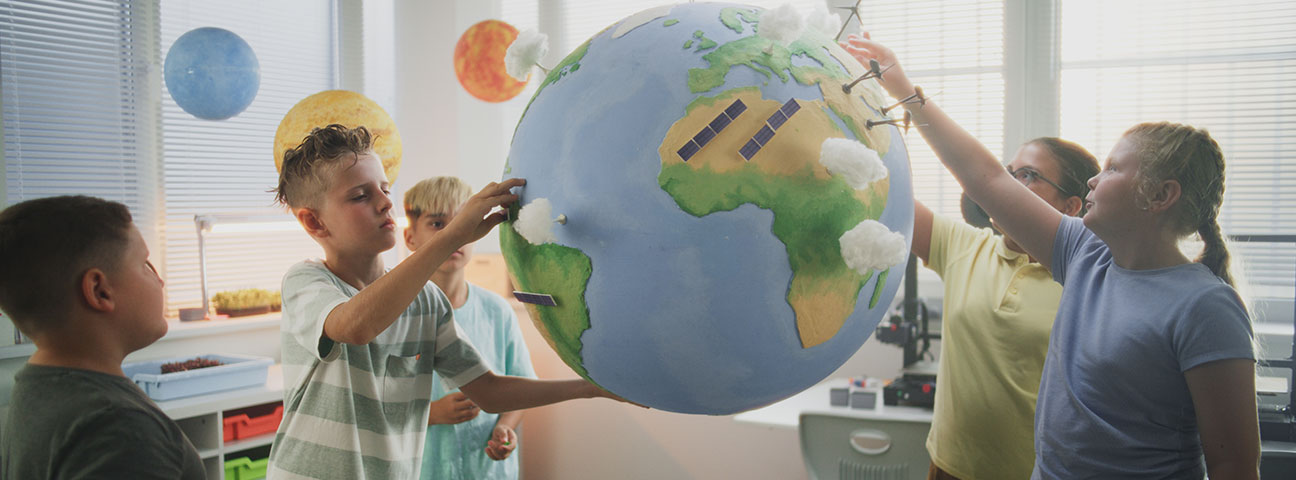
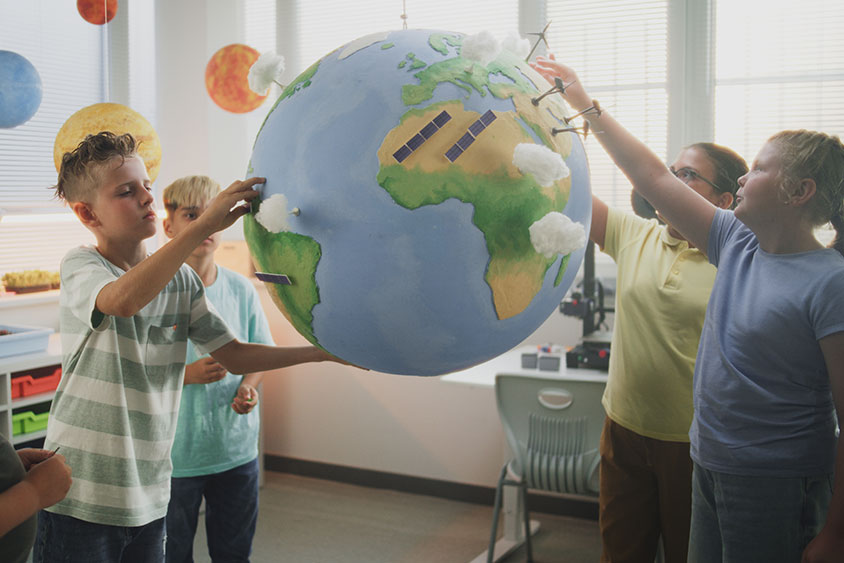
Sustainability encompasses many efforts aimed at making our world a safer, better place to live. We all want that for our kids, and getting them involved is a great way to multiply our impact.
When thinking about the challenges our planet and all its life forms face, it can feel like individual actions don’t matter much. Still, there’s an important lesson there for kids: Even when something is bigger than you, and it seems like the small actions you take will have no measurable impact, you have a choice: be part of the problem or part of the solution.
Why Trust Us?
ACTIVE.com's editorial team relies on the knowledge and experience of fitness and wellness experts, including competitive athletes, coaches, physical therapists, nutritionists, and certified trainers. This helps us ensure that the products we feature are of the highest standard. Collectively, the team has spent countless hours researching equipment, gear, and recovery tools to create the most accurate, authentic content for our readers. Customer satisfaction is also a key part of our review process, which is why we only feature highly rated products.
Getting Your Kids Interested in Sustainability
If you want your kids to be part of the solution, the first step is getting them to pay attention. While you could do this by teaching them about the dangers unsustainable practices pose, a better approach might be to get them excited about what they want to protect.
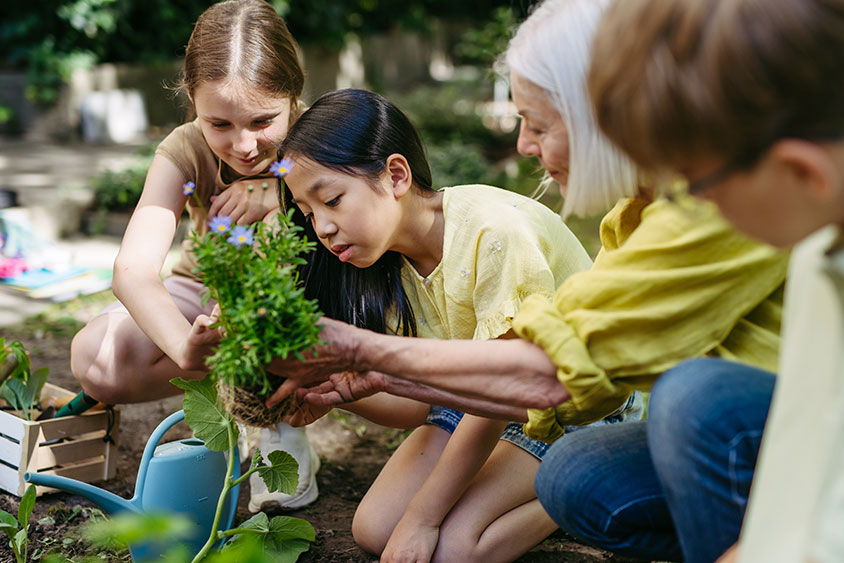
Getting kids out into nature doing things they enjoy is a key step to getting them to care about sustainability, as this 2025 study found. There are a host of activities you can do outdoors with your kids - gardening, hiking, canoeing, identifying plants and animals - the list is almost endless. If you don’t know what your child might enjoy, ask them.
If they still seem far more interested in their devices than the real world, then why not start there? YouTube, TikTok, and Instagram have dozens of accounts focusing on sustainability with the young audience in mind.
Try searching #ForClimate or #EcoTok on TikTok, or check out Nat Geo Kids on YouTube. There are even a few sustainability-focused accounts created by kids and teens, among them, Ruhi Jajal’s “Dear Future Earth” YouTube channel.
Sustainability channels hosted by youth comprise a rare niche, though. Perhaps an opportunity for your budding young influencer?
Resources For Exploring, Learning, and Taking Action
Once you know which aspect(s) of sustainability your child is interested in, you can narrow your search for high-quality learning platforms targeting those issues and activities. AI can be a huge help here. Simply ask your favorite one to give you a list of five or 10 resources to teach your child about their area of interest.
Here’s an example prompt, with a list of topics you might search for:
"Give me a list of 10 high-quality platforms to teach my child and me about…"
- Reducing food waste at home
- Using less energy
- How to use less plastic
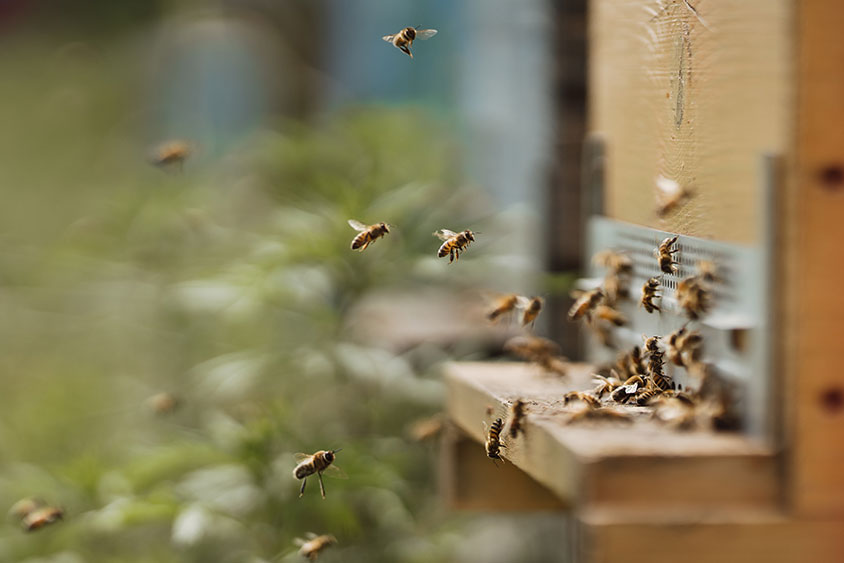
- Creating a safe habitat for bees and other pollinators
- Cleaning up local parks, rivers, or lakes
- Volunteering to maintain a local hiking trail
- Learning to identify animals and plants in my area
- Reducing our exposure to microplastics
- Reducing our exposure to harmful chemicals
- Organic gardening
- How renewable energy works
- Small science projects with a sustainability focus
Set a Challenge; Provide a Good Example
There’s a ton of evidence demonstrating the power of mentorship in helping children stick with positive habits. Finding a non-parental, expert adult to teach your child about their area of interest could be just the silver bullet you need. Think: Scout or 4H leaders; the coordinator of your local community garden; the volunteer coordinator for a local trail association - you get the picture.
If there are no suitable mentors in your area, you’ll have to fill that role yourself. One of the most powerful methods of teaching is to show (not only tell) your child how to live more sustainably. A great trick is to set a shared challenge for both you and your child. Start with something easy, like recycling all of the cans and bottles your household uses for a week.
Eventually, move on to something that feels a little bit hard - maybe bringing no new plastic items into your home for three days. As you both struggle to meet your challenge at times, talk with your child about it. This can reinforce several key points: This isn’t always going to be easy; I’m not always going to be perfect; The important thing is to do what I can, as often as I can.
If your child is old enough, ask them to hold you accountable, and you do the same for them. There’s nothing more motivating than the prospect of “beating” Mom or Dad at something. Creating a point system or tacking a tally sheet to the fridge can add motivation and keep them engaged.
They may not stay engaged forever, and that’s okay. Putting sustainability on your child’s radar early and often will make a positive impact over the long term. As with many things in childhood, one day they’ll look back on these lessons and think, "Hmmm, I guess they were right about that."
About the Author

Rashelle is a long-time fitness professional and writer. She is a regular contributor for NextAvenue and ACTIVE.com, and is the author of Reboot Your Body: Unlocking the Genetic Secrets to Permanent Weight Loss.



Discuss This Article