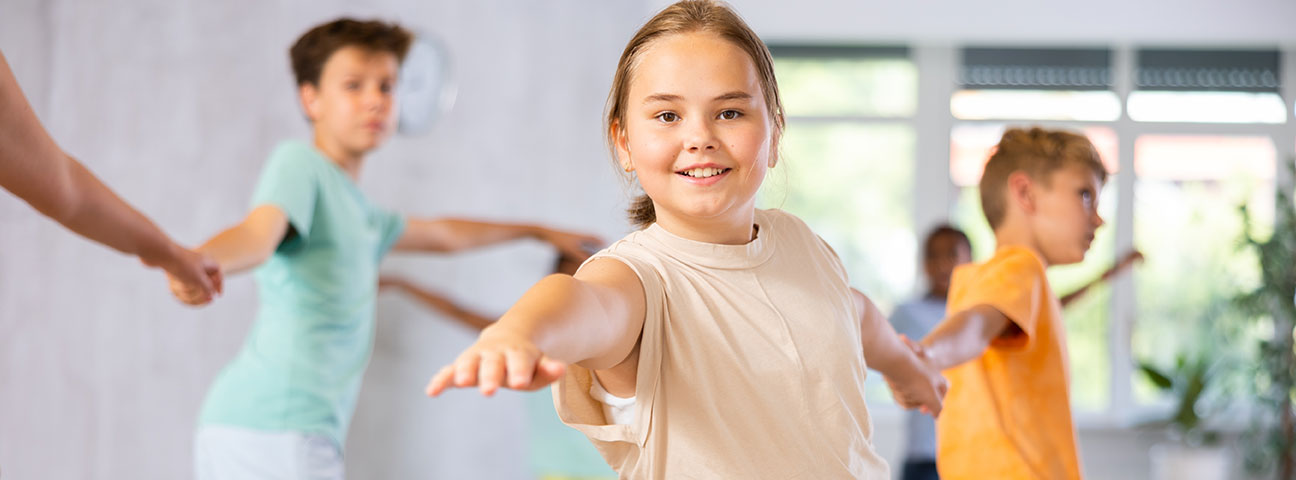

Stepping out of a comfort zone is a vulnerable act at any age, but for a child, it can feel downright overwhelming. Whether it is stepping onto a soccer field for the first time, picking up a musical instrument, or joining a new club, the initial reaction is often hesitation or a flat refusal.
As parents and mentors, our instinct is to respond to this resistance with enthusiastic pep talks or logic. We want them to experience the joy of discovery, make new friends, and build diverse skills. However, when kids push back against trying something new, it is rarely out of pure stubbornness. More often, it is driven by the natural fear of making a mistake, looking foolish, or being separated from what feels safe.
Why Trust Us?
ACTIVE.com's editorial team relies on the knowledge and experience of fitness and wellness experts, including competitive athletes, coaches, physical therapists, nutritionists, and certified trainers. This helps us ensure that the products we feature are of the highest standard. Collectively, the team has spent countless hours researching equipment, gear, and recovery tools to create the most accurate, authentic content for our readers. Customer satisfaction is also a key part of our review process, which is why we only feature highly rated products.
Encouraging kids to expand their horizons is a process of lowering the stakes, building a safety net, and changing how they view learning. By creating an environment where exploration feels safe and accessible, you can help kids find the courage to take that first step.
Create Low-Stakes Entry Points
One of the biggest hurdles to trying a new activity is the weight of commitment. When a child hears they are signing up for a sport or a class, they often imagine an endless, unchanging obligation. If the entry point feels too massive, the natural response is to retreat.
You can ease this anxiety by breaking the activity down into a small, risk-free trial. Look for single-day workshops, free introductory classes, or community open houses where a child can observe or participate without any long-term expectations. Browsing youth sports camps and classes near you is an easy way to find these lower-commitment options.
Before the event, establish a clear, mutual understanding: they are just going to try it once. If they decide it is not for them, they are not locked into a full season or a multi-month commitment. Knowing there is a clear exit strategy provides an immediate sense of relief, making them far more willing to give the initial experience an honest chance.
Demystify the Unknown
New activities can be intimidating simply because kids don't know what to expect. A child who refuses to attend a new art class might just be overwhelmed by the mental picture of walking into a strange room full of unfamiliar faces and tools they have never used before.
You can help strip away this anxiety by making the unfamiliar look familiar before day one arrives. Walking by the studio, field, or classroom when it is empty allows your child to see the physical environment without the pressure of a crowd. Watching videos together of other kids participating in the activity can also help, especially if you focus on the fun, casual elements rather than just the expert highlights. Finally, if possible, introducing your child to the coach or teacher for a quick, friendly greeting before the official start can make a massive difference.
When a child has a clear, realistic picture of what to expect, the activity stops looking like a daunting mystery and starts looking like a manageable adventure.
Quick Tip

Normalize the Learning Curve
Children often look at skilled peers or adults and assume that talent is instant. When they try a new skill and don't master it immediately, they can internalize that initial awkwardness as a personal failure. To encourage long-term exploration, we have to change how we talk about the beginning stages of learning.
Celebrate the effort and the willingness to try, rather than the outcome. Instead of praising a child for being "good" at something, highlight their focus, their willingness to listen, or how they handled a mistake. This kind of process-focused praise is also one of the sports psychology strategies coaches and parents use to build resilient young athletes.
It is also incredibly powerful to model this behavior yourself. Let your kids see you try something you are not good at, whether that is attempting a new recipe, learning a language, or assembling furniture. Talk out loud about your own mistakes and frustration, and let them see you laugh it off and keep going. When kids see that the adults in their lives are comfortable with being beginners, they learn that the messy learning phase is a normal, temporary part of growing.
When kids see that the adults in their lives are comfortable with being beginners, they learn that the messy learning phase is a normal, temporary part of growing
Prioritize Connection Over Performance
For a lot of kids, whether an activity is fun or not comes down entirely to who is there with them. A child might have a deep interest in gymnastics or robotics, but if they feel lonely or out of place in the group, that interest will quickly fade.
When introducing something new, look for ways to weave in instant social comfort. See if a friend, classmate, or sibling wants to sign up alongside them. Having a familiar ally in the room acts as an immediate emotional anchor, allowing your child to focus on the activity itself rather than navigating social anxiety.
If they are entering a group where they do not know anyone, focus your post-activity conversations on connection rather than performance. Instead of asking how they performed or whether they won a game, try asking if they met anyone interesting or what the funniest part of the class was. Shifting the focus to connection reminds them that activities are also about making friends and feeling included.
Respect Their Right to Say No
Ultimately, the desire to explore must come from within. While we can guide, prepare, and support our kids, we also have to respect their boundaries. If a child tries an activity with an open mind and genuinely dislikes it, honor their decision to walk away. Forcing a child to stick with an activity they dread often builds resentment and makes them more resistant to trying something else in the future. For more on reading the warning signs of burnout versus normal first-day jitters, see this guide on how not to kill your kid's love of sports.
When you respect their right to say "no," their "yes" becomes incredibly meaningful. Keeping the pressure low and the support high helps them discover new interests while teaching them that they are capable of facing the unknown with confidence.
Frequently Asked Questions
Why do kids resist trying new activities?
Resistance is rarely about stubbornness. It's usually driven by a fear of making mistakes, looking foolish in front of others, or leaving the safety of what's familiar. Understanding that root cause helps parents respond with reassurance instead of pressure.
How can I help my child feel less nervous before a new activity?
Lower the stakes by framing it as a one-time trial rather than a long-term commitment, and demystify the setting beforehand. Walking by the location ahead of time, watching videos of other kids doing the activity, or meeting the coach or instructor in advance can all take the edge off.
Should I make my child finish an activity they don't like?
If a child tries something with an open mind and genuinely dislikes it, it's usually better to respect that decision. Forcing a child to continue an activity they dread tends to build resentment and can make them more hesitant to try new things in the future.
What should I say to my child after they try something new?
Focus on effort and connection rather than performance. Instead of asking how they did or whether they won, ask if they met anyone interesting or what the funniest part of the experience was. This reinforces that trying new things is about growth and fun, not just results.
Does it help to bring a friend to a new activity?
Yes. Having a familiar face alongside them gives kids an emotional anchor, so they can focus on the activity itself instead of navigating social anxiety on top of something new. If a friend isn't available, prioritizing connection during the first few sessions can serve a similar purpose.
About the Author

Jarrett Rush is a Dallas-based writer who stays active by playing and practicing sports with his kids.





Discuss This Article